
MV Transportation PAGA Lawsuit Moves Into Arbitration After Federal Court Rulings

A California employment lawsuit filed by former bus driver Richard Ryan Oswald against MV Transportation and related entities reached several major procedural turning points in federal court, including rulings involving labor law preemption, arbitration, and California’s Private Attorneys General Act (PAGA). The case revolves around wage and hour claims arising from Oswald’s employment with a public transportation system operating in Contra Costa County.

Case: Richard Ryan Oswald v. MV Transportation, Inc. et al.

Court: U.S. District Court for the Northern District of California

Federal Case No.: 3:25-cv-03053-AMO

Original State Court: Contra Costa County Superior Court

Original State Case No.: C25-00449

The Plaintiff: Oswald v. MV Transportation, Inc. et al.

According to the court-supported order, Richard Ryan Oswald worked for MV Transportation, Inc. as a bus driver from August 7, 2023 through November 26, 2024. Court records state that Oswald transported passengers as part of WestCAT’s public bus system operations.

Oswald later filed a PAGA action asserting California wage-and-hour claims connected to his employment. PAGA allows employees to pursue certain California Labor Code penalties on behalf of the State of California and other allegedly affected workers.

The public reviewed court documents do not independently confirm every factual allegation contained in the operative complaint. However, the case falls within the wider category of representative labor litigation in California involving transportation-sector employers and collective bargaining agreements.

The Defendants: Oswald v. MV Transportation, Inc. et al.

The federal action names MV Transportation, Inc., MV Public Transportation, Inc., and WestCAT as defendants.

Transportation employers and public transit contractors operating in California frequently face disputes involving employee scheduling, overtime practices, break compliance, and workforce-management procedures. Cases involving public transit operations may also involve collective bargaining agreements governing employee terms and working conditions.

In this litigation, the federal court’s rulings addressed not only California wage-and-hour law but also questions of federal labor-law preemption under the Labor-Management Relations Act (LMRA).

A History of the Case: Oswald v. MV Transportation, Inc. et al.

The lawsuit was originally filed in Contra Costa County Superior Court before being removed to the U.S. District Court for Northern District of California.

A significant procedural ruling occurred on 5 January 2026, when the federal court granted the defendants’ motion for judgment on the pleadings. According to the order of the court, the collective bargaining agreement overseeing Oswald's employment played a central role in the court's analysis. The court concluded that the Labor Management Relations Act preempted the PAGA allegations in the complaint.

The litigation later shifted into arbitration-related proceedings. On February 4, 2026, the court compelled arbitration and stayed the federal case. A subsequent order entered on May 19, 2026 continued the stay and administratively closed the federal matter for statistical purposes while arbitration proceedings continued outside the courtroom.

The administrative closure did not constitute a final determination of the underlying wage-and-hour allegations. Instead, the federal proceedings were paused while arbitration moved forward.

The Main Question Being Considered: Oswald v. MV Transportation, Inc. et al.

The litigation involves overlapping questions concerning California wage-and-hour law, federal labor-law preemption, and arbitration enforcement.

One major issue addressed by the court was whether Oswald’s PAGA claims could proceed independently under California law or were preempted by federal labor law because they depended on the interpretation of a collective bargaining agreement.

The case also demonstrates ongoing legal disputes regarding the relationship between California employment protections, arbitration agreements and federally governed labor contracts in unionized workplaces.

Why This Case Matters: Oswald v MV Transportation, Inc. et al.

The Oswald litigation emphasizes several repeated issues shaping California's employment law in 2026, particularly the interaction between PAGA lawsuits, collective bargaining agreements and arbitration procedures.

In transportation and unionized-employer cases, the case demonstrates how federal labor law preemption can become a central issue in wage-and-hour litigation. For employees, the rulings illustrate how procedural questions involving arbitration and federal labor statutes may significantly affect where and how workplace disputes are resolved.

The case also reflects the continuing legal tension between California’s expansive worker-protection statutes and federal labor laws governing collectively bargained employment relationships.

FAQ: Oswald v. MV Transportation, Inc. et al.

Q: What is the Oswald v. MV Transportation lawsuit about?

A: The case involves California wage-and-hour claims brought under the Private Attorneys General Act (PAGA) in connection with Oswald’s employment as a bus driver.

Q: Who were the defendants in the case?

A: The federal action names MV Transportation, Inc., MV Public Transportation, Inc., and WestCAT as defendants.

Q: What role did the collective bargaining agreement play in the case?

A: The federal court determined that the collective bargaining agreement overseeing Oswald's employment was central to the dispute and concluded that the Labor Management Relations Act preempted the asserted PAGA allegations.

Q: What did the federal court decide in January 2026?

A: On January 5, 2026, the court granted the defendants’ motion for judgment on the pleadings.

Q: What happened after the federal court rulings?

A: The court later compelled arbitration, stayed the federal proceedings, and administratively closed the federal matter for statistical purposes while arbitration continued.

If you have questions about California wage-and-hour law, PAGA litigation, arbitration agreements, or labor disputes involving collective bargaining agreements, contact Blumenthal Nordrehaug Bhowmik DeBlouw LLP. Experienced employment law attorneys are ready to help at offices in Los Angeles, San Diego, San Francisco, Sacramento, Riverside, and Chicago.


Vitalant Wage-and-Hour Lawsuit Faces Pleading Challenge in Federal Court

A wage-and-hour lawsuit filed by former employee Kim J. McElroy against Vitalant reached an important procedural stage in federal court after a Northern District of California judge granted the defendant’s motion for judgment on the pleadings with leave to amend. The case involves alleged violations of the California Labor Code and California Business and Professions Code.

Case: Kim J. McElroy v. Vitalant

Court: U.S. District Court for the Northern District of California

Case No.: 3:25-cv-02996-RS

The Plaintiff: McElroy v. Vitalant

Kim J. McElroy, identified in the court order as a former employee of Vitalant, filed the lawsuit asserting California wage-and-hour claims against the organization.

According to the federal court record, the complaint included allegations involving meal and rest periods, hourly and overtime wages, reporting-time pay, vacation wages, expense reimbursement, pay cards, wage statements, final wages, unfair competition, and claims under California’s Private Attorneys General Act (PAGA).

The case also included claims under the California Business and Professions Code arising from the alleged labor violations.

The Defendant: McElroy v. Vitalant

Vitalant is described in the court’s order as a nonprofit blood donation organization. The lawsuit alleges the organization violated provisions of California employment law governing employee compensation and workplace practices.

While nonprofit and healthcare-related employers commonly operate in heavily regulated environments, California wage and hour laws still require compliance with rules governing employee pay practices, wage statements, overtime, meal periods and reimbursement obligations.

A History of the Case: McElroy v. Vitalant

The case was originally filed in California state court before being removed to the U.S. District Court for the Northern District of California under the Class Action Fairness Act (CAFA). The federal action was filed on April 1, 2025.

CAFA permits certain class-action lawsuits meeting federal jurisdiction requirements to proceed in federal court. Employment-related class actions involving statewide claims are frequently removed under CAFA when statutory thresholds are satisfied.

A major procedural ruling occurred on September 29, 2025, when the court granted Vitalant’s motion for judgment on the pleadings with leave to amend. According to the court’s order, the complaint did not allege sufficient facts to plausibly support the asserted claims as pleaded at that stage of the litigation.

The ruling did not determine whether the alleged labor violations actually occurred. Instead, the court allowed the plaintiff an opportunity to amend the complaint and attempt to cure the pleading deficiencies identified in the order.

The Main Question Being Considered: McElroy v. Vitalant

The litigation centers on whether Vitalant complied with California wage-and-hour requirements and related unfair business practice laws.

At the procedural stage addressed in the September 29, 2025 order, the court focused on whether the complaint contained enough factual detail to support the claims asserted against Vitalant. The order examined the legal sufficiency of the pleadings rather than resolving the truth of the underlying allegations.

The case illustrates how employment litigation can turn not only on the substance of alleged workplace violations, but also on whether claims are supported by sufficiently detailed factual allegations under federal pleading standards.

Why This Case Matters: McElroy v Vitalant.

California wage and hour litigation keeps shaping employer obligations across industries, including nonprofit and healthcare-related organizations. Cases involving motions for judgment on the pleadings are particularly important because they demonstrate how process requirements can greatly impact employment litigation before discovery or trial begins.

The case also illustrates the impact of the CAFA on California employment disputes. Removal to Federal Court often changes litigation strategy, process requirements and motion practice for both plaintiffs and employers.

For employees, the ruling stresses the importance of detailed factual allegations when pursuing wage and hour claims in federal court. For employers, the case reflects the continued scrutiny that California workplaces face regarding compensation policies, wage statements, break compliance and payroll practices.

FAQ: McElroy v. Vitalant

Q: What is the McElroy v. Vitalant lawsuit about?

A: The lawsuit involves alleged violations of the California Labor Code and California Business and Professions Code related to wage-and-hour practices and employee compensation.

Q: Who is Vitalant?

A: The court order describes Vitalant as a nonprofit blood donation organization.

Q: Was the lawsuit originally filed in federal court?

A: No. The case was first filed in California state court before being removed to federal court under the Class Action Fairness Act.

Q: What did the federal court decide on September 29, 2025?

A: The court granted Vitalant’s motion for judgment on the pleadings with leave to amend, finding the complaint did not contain sufficient factual allegations to support the claims as pleaded at that stage.

Q: Did the court rule on whether labor violations actually occurred?

A: No. The ruling addressed the sufficiency of the pleadings, not whether the alleged wage-and-hour violations ultimately occurred.

If you have questions about California wage-and-hour law, PAGA claims, class actions, overtime disputes, or workplace compensation practices, contact Blumenthal Nordrehaug Bhowmik DeBlouw LLP. Experienced employment law attorneys are ready to help at offices in Los Angeles, San Diego, San Francisco, Sacramento, Riverside, and Chicago.
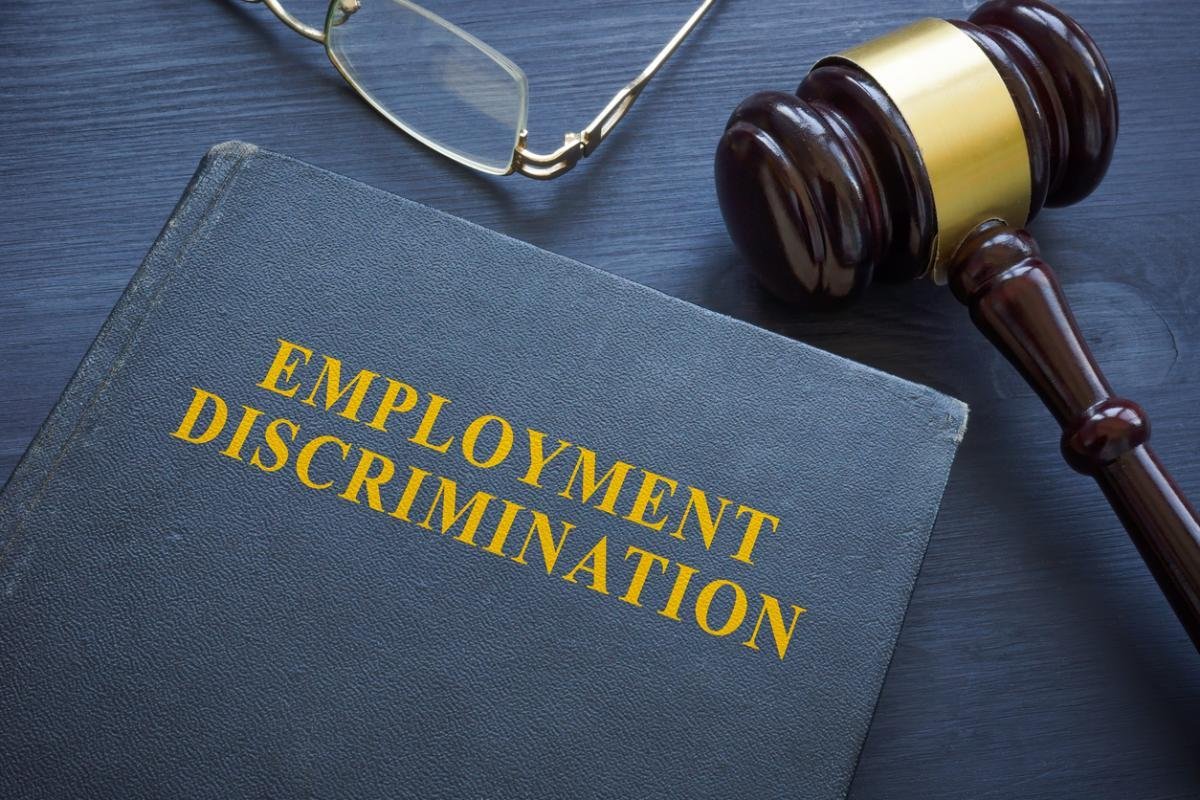
Pacific Mountain Logistics Wage-and-Hour Lawsuit Consolidated in Federal Court

A California wage-and-hour lawsuit involving Pacific Mountain Logistics, LLC will continue in federal court after a judge denied a request to remand the case to state court. The case, filed by former employee Araceli L. Hernandez, involves allegations tied to wage statements, overtime, meal and rest periods, and other California Labor Code claims.

Case: Araceli L. Hernandez v. Pacific Mountain Logistics, LLC et al.

Court: U.S. District Court for the Central District of California

Federal Case No.: 5:2025cv03054

Original State Court: San Bernardino County Superior Court

The Plaintiff: Hernandez v. Pacific Mountain Logistics, LLC et al.

Araceli L. Hernandez filed the lawsuit against Pacific Mountain Logistics, LLC, which the court identified as her former employer. According to the court’s order, Hernandez asserted multiple California wage-and-hour claims connected to her employment with Pacific Mountain Logistics.

The claims referenced in the federal court record include allegations involving unpaid wages, wage statement compliance, overtime, meal and rest periods, minimum wage obligations, and unfair business practices under California law.

Court records also show that the litigation was later consolidated with a related Private Attorneys General Act (PAGA) action involving substantially similar alleged facts and claims.

The Defendant: Hernandez v. Pacific Mountain Logistics, LLC et al.

Pacific Mountain Logistics, LLC is identified in the court order as Hernandez’s former employer. The lawsuit alleges the company failed to comply with several provisions of the California Labor Code governing employee compensation and workplace practices.

The claims cited in the federal order include alleged violations of California Labor Code sections involving:

● Final wage payments

● Wage statements

● Meal and rest periods

● Overtime compensation

● Minimum wage requirements

The lawsuit also includes a claim brought under California Business and Professions Code § 17200, which addresses unlawful or unfair business practices.

A History of the Case: Hernandez v. Pacific Mountain Logistics, LLC et al.

The case started in San Bernardino County Superior Court on February 14, 2025. It was later removed to the U.S. District Court for the Central District of California on November 14, 2025.

Court records further show that the litigation was consolidated with a related PAGA action on 22 October 2025. PAGA lawsuits allow employees to pursue certain California Labor Code penalties on behalf of the state and other allegedly affected workers.

After removal, Hernandez sought to return the case to state court through a motion to remand. On February 18, 2026, the federal court denied that request, allowing the matter to remain in federal court while the underlying wage-and-hour claims continue through litigation.

The Main Question Being Considered: Hernandez v. Pacific Mountain Logistics, LLC et al.

The underlying dispute focuses on whether Pacific Mountain Logistics complied with California wage and hour laws governing employee pay and workplace protections.

The litigation involves questions concerning overtime compensation, wage statement accuracy, meal and rest break compliance, minimum wage obligations, and final wage payments. The consolidated PAGA component may also affect the scope of potential penalties and representative claims involved in the case.

The federal court’s February 18, 2026 order did not determine whether the alleged labor violations occurred. Instead, the ruling addressed whether the case would proceed in federal court or be returned to state court in California.

Why This Case Matters: Hernandez v. Pacific Mountain Logistics, LLC et al.

California wage-and-hour litigation frequently involves disputes over overtime calculations, break compliance, wage statement accuracy, and final pay obligations. Cases involving PAGA claims have become especially important because they can significantly expand employers' potential exposure and increase the complexity of employment litigation.

The procedural history in this case also highlights how wage-and-hour disputes filed in California state court may ultimately proceed in federal court after removal challenges are resolved.

For California employers, the case serves as another reminder that payroll practices, break policies, and wage documentation procedures continue to be scrutinized in both state and federal litigation.

FAQ: Hernandez v. Pacific Mountain Logistics, LLC et al.

Q: What is the Pacific Mountain Logistics lawsuit about?

A: The lawsuit involves California wage-and-hour claims related to overtime, meal and rest periods, wage statements, minimum wage obligations, and final wage payments.

Q: Was the case originally filed in state court?

A: Yes. The case was first filed in San Bernardino County Superior Court before being removed to federal court.

Q: What happened in federal court?

A: The plaintiff filed a motion seeking remand back to state court, but the federal court denied that request on February 18, 2026.

Q: What is a PAGA claim?

A: A PAGA claim allows employees to pursue certain California Labor Code penalties on behalf of the state and other allegedly affected workers.

Q: Did the court rule on whether labor violations occurred?

A: No. The February 18, 2026 ruling addressed jurisdictional and remand issues, not the merits of the wage-and-hour allegations.

If you have questions about California wage-and-hour law, PAGA litigation, overtime disputes, or meal and rest break compliance, contact Blumenthal Nordrehaug Bhowmik DeBlouw LLP. Experienced employment law attorneys are ready to help at offices in Los Angeles, San Diego, San Francisco, Sacramento, Riverside, and Chicago.

Employment Discrimination Lawsuit Against LGS Staffing and ShipBob Moves Forward in Federal Court

An employment lawsuit originally filed in Riverside County Superior Court is now proceeding in the U.S. District Court for the Central District of California after removal to federal court. The case, filed by Anthony Flores against LGS Staffing LLC and other defendants, involves employment-related claims categorized on the federal docket as Civil Rights – Employment.

Case: Anthony Flores v. LGS Staffing LLC et al.

Court: U.S. District Court for the Central District of California

Federal Case No.: 5:25-cv-02755

Original State Court Filing: Riverside County Superior Court

Original State Case No.: CVRI2503565

The Plaintiff: Flores v. LGS Staffing LLC et al.

Anthony Flores filed the lawsuit against several business entities connected to his employment. Publicly available docket information identifies the matter as an employment discrimination case that was later removed from state court to federal court.

At this stage, the publicly reviewed docket materials do not independently confirm the detailed factual allegations asserted in the complaint. However, the procedural posture of the case suggests the dispute involves workplace-related claims significant enough for removal into federal jurisdiction.

The Defendants: Flores v. LGS Staffing LLC et al.

The defendants listed on the federal docket include LGS Staffing LLC, Jobandtalent Hirings LLC, ShipBob, Inc., and additional Doe defendants.

Cases involving staffing agencies and third-party labor providers can raise complicated legal questions regarding employer responsibility, supervision, and workplace liability. In many staffing-related employment disputes, courts examine which entities exercised control over hiring, scheduling, discipline, supervision, or working conditions.

Because multiple companies are named in the lawsuit, the litigation likely involves questions concerning joint employer liability and shared legal responsibility under California and federal employment laws.

A History of the Case: Flores v. LGS Staffing LLC et al.

The matter was initially filed in Riverside County Superior Court under Case No. CVRI2503565 before being removed to federal court. It is now pending in the U.S. District Court for the Central District of California under Federal Case No. 5:25-cv-02755.

Federal docket records categorize the case as:

● Nature of Suit: Civil Rights – Employment

● Cause: Notice of Removal – Employment Discrimination

The docket further reflects that a motion seeking remand back to state court was denied on February 2, 2026, allowing the matter to continue in federal court.

Employment disputes involving staffing companies are frequently litigated in both state and federal courts because they can involve overlapping California labor protections and federal civil rights statutes.

The Main Question Being Considered: Flores v. LGS Staffing LLC et al.

One of the central issues in the case is which business entities may bear legal responsibility for the alleged employment-related conduct at issue.

When staffing companies, labor providers, and client companies all participate in a worker’s employment arrangement, courts often examine how much authority each entity exercised over the employee’s day-to-day work. Hiring decisions, supervision, scheduling authority, workplace policies, and disciplinary control can all become relevant factors.

The case may also involve questions concerning whether the plaintiff’s allegations properly support claims under federal employment discrimination laws and related California protections.

Why This Case Matters: Flores v. LGS Staffing LLC et al.

Employment relationships involving staffing agencies have become increasingly common across California industries, particularly in warehousing, logistics, manufacturing, and fulfillment operations. Those arrangements can create confusion about who is legally responsible when workplace disputes arise.

Cases like this one are important because they may help clarify how courts evaluate liability when multiple companies participate in a single employment structure. The litigation also reflects the continuing role federal courts play in resolving employment discrimination disputes that originate in California state court.

FAQ: Flores v. LGS Staffing LLC et al.

Q: What is the Flores lawsuit about?

A: Public federal docket records categorize the case as an employment discrimination matter involving LGS Staffing LLC, Jobandtalent Hirings LLC, ShipBob, Inc., and additional defendants.

Q: Was the lawsuit filed in state or federal court?

A: The lawsuit was originally filed in Riverside County Superior Court before being removed to the U.S. District Court for the Central District of California.

Q: Why are multiple companies named in the case?

A: Employment disputes involving staffing agencies sometimes include multiple defendants because more than one company may have participated in hiring, supervision, scheduling, or workplace management.

Q: What does “joint employer liability” mean?

A: Joint employer liability refers to situations where more than one company may share legal responsibility for employment-related obligations or alleged workplace violations.

Q: Why do employment cases sometimes move to federal court?

A: Cases may be removed to federal court when federal employment statutes or jurisdictional grounds are involved.

If you have questions about California employment law, workplace discrimination, or staffing-agency liability, contact Blumenthal Nordrehaug Bhowmik DeBlouw LLP. Experienced employment law attorneys are ready to help at offices in Los Angeles, San Diego, San Francisco, Sacramento, Riverside, and Chicago.
Cleannet USA Undergoes Scrutiny Over Alleged Worker Misclassification and Franchise Violations

A public enforcement action filed in Los Angeles Superior Court highlights alleged worker misclassification and franchise-related labor violations involving Cleannet USA. The case raises wider questions about whether certain franchise business models improperly classify workers as independent contractors while maintaining the level of control typically associated with an employment relationship.

The Plaintiff: State of California v. Cleannet USA

The lawsuit was brought by the State of California as part of broader enforcement efforts involving employment classification and labor protections. Public enforcement actions like this differ from private wage claims because they are generally aimed at addressing practices that may affect large groups of workers across an entire business structure.

The Defendant: State of California v. Cleannet USA.

Cleannet USA operates via a franchise-based commercial cleaning system. Cases involving franchise labor models usually turn on how much independence workers actually possess, once the day-to-day realities of the relationship are examined.

In misclassification disputes, investigators and courts often look beyond written agreements to practical working conditions. Scheduling expectations, operational rules, financial obligations, required procedures, and company oversight will all become relevant factors.

The allegations in this case claim that the franchise structure may have shifted costs and legal responsibilities onto workers while allowing the company to maintain significant control over operations.

A History of the Case: State of California v. Cleannet USA

The matter was filed in Los Angeles Superior Court through a public Attorney General enforcement action. At the time reflected in the approved case information, the public filing did not yet display a docket number.

California has devoted substantial attention in recent years to disputes involving independent contractor status and labor classification standards. Franchise systems have received special scrutiny in situations where workers allegedly operate under detailed company direction despite being classified as independent operators.

The Cleannet USA case arrives as California agencies and courts continue examining how employment laws apply to modern franchise and contractor business models.

The Main Question Being Considered: State of California v. Cleannet USA

The dispute centers on how workers within Cleannet USA’s franchise structure should legally be classified.

A major issue will likely involve the amount of control allegedly exercised over workers and whether the relationship functioned more like employment than independent business ownership. The lawsuit may also examine whether the franchise system's structure contributed to the alleged labor law violations.

Misclassification cases often hinge less on labels contained in contracts and more on the actual working relationship between the company and the individuals performing the work.

Why This Case Matters: State of California v. Cleannet USA

Classification disputes carry major consequences for workers and employers alike. Employee status can affect overtime eligibility, reimbursement rights, payroll tax obligations, workers’ compensation coverage, and access to other workplace protections required under California law.

The case also has wider implications for franchise-based business models operating in California. A ruling in the matter could help shape how courts and enforcement agencies evaluate control, independence, and legal responsibility in franchise relationships going forward.

FAQ: State of California v. Cleannet USA

Q: What is the Cleannet USA case about?

A: The lawsuit involves allegations concerning worker misclassification and labor practices connected to Cleannet USA’s franchise system.

Q: Who brought the lawsuit?

A: The case was filed by the State of California as a public enforcement action.

Q: Why does worker classification matter?

A: Classification can determine whether workers are entitled to overtime pay, reimbursement protections, workers’ compensation coverage, and other rights available to employees under California law.

Q: Why are franchise systems often challenged in employment cases?

A: Courts and regulators may examine whether workers operating within a franchise structure really function independently or remain subject to considerable company control.

Q: What makes this case important?

A: The lawsuit may provide further guidance on how California applies employment laws to franchise-based labor models and independent contractor arrangements.

If you have questions about worker misclassification, California employment law, or franchise-related labor disputes, contact Blumenthal Nordrehaug Bhowmik DeBlouw LLP. Experienced employment law attorneys are ready to help at offices in Los Angeles, San Diego, San Francisco, Sacramento, Riverside, and Chicago.

McLane Foodservice Wage Lawsuit Stays in Federal Court

A wage-and-hour lawsuit against McLane Foodservice, Inc. will continue in federal court after a Northern District of California judge denied the plaintiff’s request to send the case back to state court. The lawsuit, filed by John Thornhill, alleges violations of the California Labor Code involving wages, overtime, meal and rest breaks, final pay, wage statements, expense reimbursement, and unfair competition.

Case: John Thornhill v. McLane Foodservice, Inc

Court: United States District Court Northern District of California

Case No.: 5:25-cv-07475-EKL

Plaintiff: a McLane Foodservice Hourly Employee

The named plaintiff is John Thornhill. According to the complaint as summarized in the court’s order, Thornhill worked for McLane Foodservice in California as an hourly paid, non-exempt employee from approximately November 2021 to July 2023.

Thornhill brought the lawsuit as a proposed class action on behalf of other people who worked for McLane in California as hourly paid or non-exempt employees during the relevant statutory period. At this stage, the court did not determine whether Thornhill or any proposed class member was owed unpaid wages, penalties, reimbursements, or other relief.

Defendant: California Employer Facing Labor Law Violation Allegations

The defendant is McLane Foodservice, Inc. After the case was filed in Santa Clara County Superior Court, McLane removed it to the United States District Court for the Northern District of California.

McLane relied on CAFA, which allows certain class actions to be heard in federal court when specific requirements are met. Those requirements generally include minimal diversity, at least 100 proposed class members, and an amount in controversy greater than $5 million.

The Case History in Thornhill v. McLane Foodservice

The plaintiff originally filed the lawsuit in Santa Clara County Superior Court. McLane later removed the lawsuit to federal court, arguing that CAFA conferred federal jurisdiction. Thornhill responded by moving to remand the case, hoping the court would return it to state court. The complaint asserted eight causes of action:

  • Minimum wage/wage violations

  • Overtime violations

  • Meal period violations

  • Rest period violations

  • Failing to provide timely wages after termination

  • Wage statement violations

  • Failing to reimburse employees for work expenses

California Unfair Competition Law violations

The complaint did not state a specific damages amount. Instead, Thornhill sought damages and other relief in amounts to be proven later. That left the court to evaluate McLane’s calculations and decide whether the amount in controversy crossed CAFA’s $5 million threshold.

McLane first estimated that more than $5.9 million was in controversy based on waiting time penalties, wage statement penalties, and related attorneys’ fees. After Thornhill challenged removal, McLane submitted additional calculations and estimated the total amount in controversy at more than $11 million.

What Question Was the Court Considering?

The central question in the January 16, 2026 order was not whether the wage-and-hour allegations were true. The court instead considered whether McLane had shown, by a preponderance of the evidence, that the amount in controversy exceeded $5 million.

That distinction matters. In removal disputes, the amount in controversy is not a damages award. It is not a finding that the defendant owes the amount calculated. It is an estimate of what could be at stake if the plaintiff were to prevail on the claims.

After considering the materials and estimates provided by McLane, the court found them sufficient to support CAFA jurisdiction (amid challenges from Thornhill).

The court reviewed McLane’s assumptions and supporting materials, including estimates tied to waiting time penalties, wage statement penalties, attorneys’ fees, and other alleged Labor Code violations. Thornhill challenged those estimates, but the court found McLane’s showing sufficient for CAFA jurisdiction.

Because the court concluded that more than $5 million was in controversy, it denied Thornhill’s motion to remand. The case remained in federal court.

Why This Case Matters for Wage and Hour Lawsuits

This case is a useful reminder that wage-and-hour lawsuits can turn on procedural issues long before the court reaches the underlying employment claims. A lawsuit may begin in California state court, but a defendant can remove it to federal court if CAFA applies.

For California Employees: this case is an example of how alleged wage violations can be litigated as part of a proposed class action that includes broader payroll practices.

For California Employers: this case highlights the importance of payroll records, class-size estimates, penalty calculations, and declarations when jurisdiction is disputed.

The order also draws a clear line between potential exposure and actual liability. McLane did not have to prove that it owed the amounts estimated. It had to show that the stakes of the lawsuit, based on the allegations and reasonable assumptions, exceeded CAFA’s jurisdictional minimum.

While the wage violations, wage statement violations, and alleged failure to reimburse employees for work expenses remained unresolved in the order, the case instead read like a jurisdictional ruling.

FAQ: Learning More About Employment Law

Q: Why did McLane Foodservice remove the case to federal court?

A: McLane removed the case under the Class Action Fairness Act. CAFA allows certain proposed class actions to proceed in federal court when the statutory requirements are met, including when the amount in controversy exceeds $5 million.

Q: What did John Thornhill ask the court to do?

A: Thornhill asked the court to remand the case to state court. He argued that McLane had not met its burden to show that the amount in controversy exceeded CAFA’s $5 million requirement.

Q: What did the court decide?

A: The court denied Thornhill’s motion to remand. It found that McLane had shown, by a preponderance of the evidence, that more than $5 million was in controversy.

Q: Does the amount in controversy mean McLane owes more than $5 million?

A: No. The amount in controversy is not an award of damages and does not establish liability. It reflects the amount potentially at stake based on the allegations and the relief sought.

Q: Was a class certified in this case?

A: No class was certified in the January 16, 2026 order. The court described the lawsuit as a putative class action, meaning Thornhill sought to represent a proposed class.

Q: Why is this case relevant to California employees?

A: The case shows how California wage-and-hour claims may involve both employment-law allegations and procedural disputes over where the case should be heard. Issues such as unpaid wages, meal and rest breaks, wage statements, and final pay can also affect whether a proposed class action satisfies CAFA’s federal jurisdiction requirements.

California wage-and-hour cases can involve unpaid wages, overtime pay, meal and rest breaks, final pay, wage statements, expense reimbursement, and complex procedural questions about whether a case belongs in state or federal court. If you believe your workplace rights were violated, an experienced California employment law attorney can help you understand the claims that may be available to you. Blumenthal Nordrehaug Bhowmik De Blouw LLP represents employees in wage and hour, class action, and other employment law matters throughout California. To discuss a potential claim, contact Blumenthal Nordrehaug Bhowmik De Blouw LLP today.

When Does Employer-Controlled Time Count as Payable Work Under California Law?

A California Supreme Court decision clarified when employer-controlled time at a construction worksite counts as compensable work time, including certain security-check delays, some on-premises travel, and meal periods restricted by employer rules.

Case: Huerta v. CSI Electrical Contractors (Cal. 2024)

Court: Northern District of California / Supreme Court of California

Case/Docket No.: 5:18-cv-06761-BLF / S275431

An Overview of the Case: Huerta v. CSI Electrical Contractors

The case arose from work at the California Flats Solar Project, a large solar power facility in Monterey and San Luis Obispo Counties. George Huerta worked there through a subcontractor assisting CSI Electrical Contractors, which provided procurement, installation, construction, and testing services at the site. The California Supreme Court explained that workers accessed the site through a guard shack and a separate security gate located several miles from the employee parking lots, and that Huerta was told by CSI management that the security gate was the “first place” he had to be at the beginning of the workday.

Each morning, workers lined up in personal vehicles outside the security gate while guards scanned badges and sometimes looked inside vehicles and truck beds. Each evening, workers again waited in line at the gate while the exit procedure was carried out. The Court noted that the exit delays could last from five minutes to more than 30 minutes. Workers were not paid for this time. After passing through the gate in the morning, workers still had to drive another 10 to 15 minutes to the employee parking lots while following site rules and restrictions tied in part to an environmental permit and in part to employer instructions. Workers were also not paid for that drive.

Main Issues in the California Wage and Hour Lawsuit:

The case also involved meal periods. Huerta’s employment was governed by collective bargaining agreements that provided for an unpaid 30-minute meal period. But CSI did not allow workers to leave the site during the workday and instructed them to take their meal periods in a designated area near their assigned work site. Huerta alleged that, as in the past, she should have been compensated under California law.

The Main Legal Issue the Court Needed to Address:

The legal problem was how to interpret “hours worked” and “employer-mandated travel” under Wage Order No. 16, which governs wages, hours, and working conditions in the construction, drilling, logging, and mining industries. The federal district court had granted summary judgment against Huerta on the relevant class claims, but the Ninth Circuit concluded that California law needed clarification on several important points. The Ninth Circuit therefore certified three questions to the California Supreme Court. The first asked whether time spent waiting in a personal vehicle to scan an identification badge, undergo visual inspection, and exit through the security gate was compensable as “hours worked.” The second asked whether time spent driving between the security gate and the employee parking lots was compensable either as “hours worked” or as “employer-mandated travel.” The third asked whether time spent on the employer’s premises during a nominally unpaid meal period — when workers were prohibited from leaving but were not otherwise assigned employer-directed tasks — was compensable.

Does Time Workers Spend “Waiting” Count as Hours Worked?

The California Supreme Court answered the first question in Huerta’s favor. It held that the time workers spent waiting for and undergoing the employer-mandated exit procedure at the security gate was compensable as “hours worked” under Wage Order No. 16. The Court reasoned that CSI’s required badge scan and vehicle inspection showed a sufficient level of employer control over workers during that exit process.

On the second question, the Court drew an important distinction. It held that the drive between the security gate and employee parking lots may be compensable as “employer-mandated travel” under Wage Order No. 16 if the security gate was the first place workers had to report for an employment-related reason beyond simply accessing the worksite. But the Court separately held that the same driving time was not compensable as “hours worked” merely because employees had to follow ordinary workplace rules during the drive, such as speed limits, route restrictions, and rules against disturbing wildlife. Those restrictions, the Court said, did not amount to the level of employer control needed for “hours worked” treatment.

On the third question, the Court again ruled in favor of compensation. It held that even if a qualifying collective bargaining agreement designates a meal period as unpaid, the time is still compensable as “hours worked” when the employer prohibits employees from leaving the premises or a designated area, and that restriction prevents them from engaging in otherwise feasible personal activities. The Court also held that an employee may bring an action under Labor Code section 1194 to enforce the wage order and recover unpaid wages for such time.

Why the Case Matters for Today’s California Employees

This case matters because it gives much clearer guidance on what counts as compensable time in large, controlled worksites — especially in construction and similar industries. It confirms that employer-mandated exit inspections are not automatically treated as noncompensable downtime just because employees are in personal vehicles at the end of the day. Where the employer controls the process and requires workers to remain for an inspection-related exit procedure, that time may count as “hours worked.” It also matters because the Court carefully separated two legal theories that are often blurred together: “hours worked” and “employer-mandated travel.” That distinction gives employers and employees a more precise framework for evaluating on-premises travel time. And the ruling on meal periods is especially important because it shows that labeling a break “unpaid” in a collective bargaining agreement is not always enough if the employee is still effectively confined in a way that prevents meaningful personal use of the time. For present-day litigants, Huerta is a strong precedent in cases involving security checkpoints, travel between controlled site locations, restricted access rules, and meal-period confinement. It is especially useful where an employer argues that workers were technically off the clock even though employer-imposed procedures substantially controlled their time.

FAQ About the Huerta “Hours Worked” Case

Q: What was the main issue in Huerta v. CSI Electrical Contractors?

A: The case asked when time spent under employer control at a construction site counts as compensable work time under Wage Order No. 16, including security-gate delays, on-premises driving, and restricted meal periods.

Q: What did the workers have to do at the security gate?

A: They had to wait in line, scan identification badges, and sometimes undergo visual inspection of their vehicles or truck beds before exiting the site.

Q: Did the California Supreme Court say that security-gate exit time was compensable?

A: Yes. The Court held that time spent awaiting and undergoing the employer-mandated exit procedure at the security gate was compensable as “hours worked.”

Q: Was the drive between the security gate and the parking lots compensable?

A: Potentially yes, but under a specific theory. The Court held that the drive may be compensable as “employer-mandated travel” if the gate was the first place workers had to report for an employment-related reason other than mere access to the worksite.

Q: Did the Court also say that the same driving time was “hours worked”?

A: No. The Court held that the ordinary site rules imposed during that drive did not create the level of employer control necessary to make the driving time compensable as “hours worked.”

Q: What did the Court decide about meal periods?

A: The Court held that a meal period can still be compensable as “hours worked” even if a collective bargaining agreement calls it unpaid, so long as the employer prohibits workers from leaving the premises or a designated area and that restriction prevents feasible personal activities.

Q: Why is Huerta important for California wage-and-hour law?

A: It is important because it clarifies how California courts should analyze employer-controlled time in construction and similar industries, especially where workers face site-access controls, travel restrictions, and confined meal periods.

Q: Is Huerta only relevant to construction workers?

A: The case specifically interprets Wage Order No. 16, which governs certain on-site occupations in construction, drilling, logging, and mining. Its reasoning about employer control and compensable time may still be informative in other California wage-order settings, though the specific holding is tied to Wage Order No. 16.

In California wage-and-hour law, time does not stop being potentially compensable just because an employee is in a vehicle, between work locations, or nominally on a break. When employer-imposed rules and procedures meaningfully control that time, workers may still have a right to pay under the governing wage order. If you believe your employer required you to spend unpaid time complying with security procedures, controlled on-site travel, or meal-period restrictions, Blumenthal Nordrehaug Bhowmik DeBlouw LLP can assess whether your rights may have been violated under California employment law.